
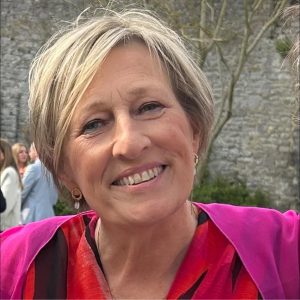
This week, the Mouvement Réformateur visits Havelange, a rural municipality in the Namur Condroz made up of nine villages, where quality of life, a vibrant community spirit and the proximity of services are everyday priorities. At the head of the municipality, Nathalie Demanet is responsible for security, finance, administration, economy and employment, with the aim of preserving responsible local management without giving up on projects useful to residents. In a budgetary context that is becoming more demanding for local authorities, the College has undertaken consolidation work to maintain quality public services while preparing the investments needed for the municipality's future. Havelange can also rely on a genuine civic dynamic, illustrated by the completion of several projects from the participatory budget, the development of cultural initiatives and the promotion of its local heritage.
Nathalie, you currently hold the role of mayor with a particularly central portfolio, ranging from security to finance, via administration, economy and employment. How would you define your role at the head of Havelange, and how do you manage to maintain this direct link with residents in a rural municipality made up of several villages with sometimes differing realities?
Hello, I must admit that I feel more at ease now than at the start of my mandate, since I was elected mayor the very first time I stood for election. I experience my direct link with citizens in a very humble and pragmatic way. Very humble, because I cannot do good work without a good team by my side, and I'm fortunate to have one, both among municipal staff and on the political level. Very pragmatic, because I believe citizens expect more common sense from us than grand speeches.
The municipality has undertaken fundamental work to stabilise its finances, at a time when the costs borne by local authorities are rising faster than their revenues. How do you reconcile this necessary budgetary discipline with continuing investments and preserving the local services that the people of Havelange rightly expect from their municipality?
Our municipality has been under a management plan since 2013, which means we must closely monitor the evolution of major budget items on a very regular basis. While some municipalities are only now starting to tighten their belts because the context of public finances (federal, regional and community) demands it, we, for our part, are used to having to find spending cuts and additional revenue. It's not an easy exercise, but communicating regularly and transparently about the choices we make is important.
In Havelange, citizen projects have already delivered very concrete results: a bicycle repair workshop, a children's book about local heritage and the installation of educational panels in Flostoy. How do you intend to continue this participatory dynamic, and give citizens, associations and young people more of a say in shaping the Havelange of tomorrow?
This type of project often helps bridge the growing gap between citizens and politics. It gives them the opportunity to get involved in concrete, everyday matters. In Havelange, we will relaunch a rural development operation after 2027, and it is often on that occasion that citizens voice their requests and put forward projects. Contrary to popular belief, these are not excessive demands but rather ideas for activities that bring life to the villages or maintain social bonds. I think it's very important to listen to others when you hold a mandate. Alone you go faster, but together you go further.