
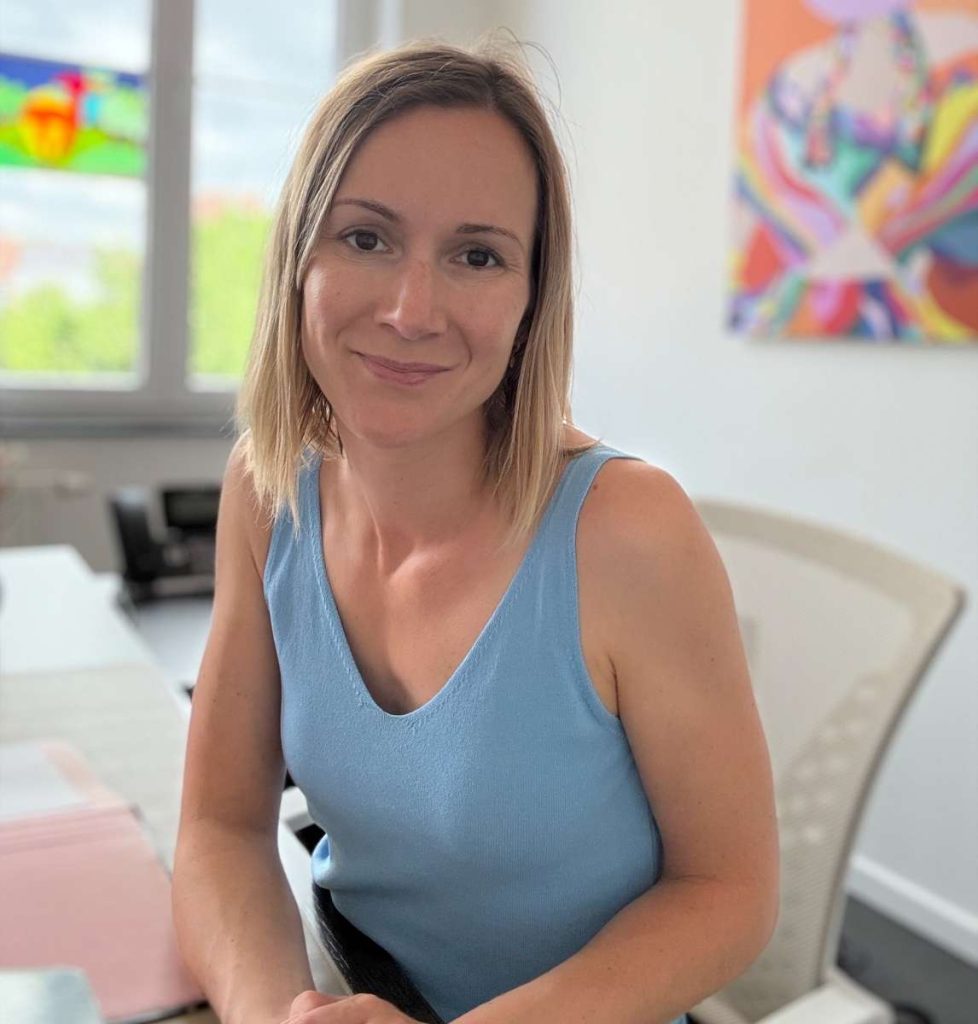
 Elected alderwoman in 2018 in Le Rœulx, located in the province of Hainaut, then Mayor in 2024, Virginie Kulawik succeeds Benoît Friart at just 30 years old. A meeting with this trained lawyer who fully embraces her responsibilities, backed by a strong majority, but above all by a simple conviction: it is at the heart of closeness to citizens that a municipality's future is built.
Alderwoman in 2018 and mayor in 2024, what pushed you to get into politics, and how have your previous responsibilities prepared you for this role as mayor?
You could say I fell into it as a little girl. My paternal grandmother was a CPAS councillor for three terms. In our family, local politics wasn't about big speeches: it was meetings, community meals, Christmas markets organised with heart.
I continued on this path naturally: with a law degree, I became a parliamentary assistant, then in 2018 the mayor suggested I take the plunge. Honestly, I didn't expect it. Becoming an alderwoman so young was a leap into the deep end. But I didn't swim alone: I could rely on a solid team, demanding citizens, and above all, I learned.
Today, working as a lawyer in another municipality, I know how things work. I feel the weight of responsibility, but also the strength you can have when you act with conviction.
You succeed Benoît Friart, an iconic and respected figure of the municipality. How is the transition going, and in which areas will you bring your own personal approach to develop the municipality?
It has to be said: succeeding a figure like Benoît Friart is no small thing. He brought stability, seriousness, and a real mark on Le Rœulx.
I have taken up the torch with respect, but also with my own way of doing things: more citizen dialogue, more cross-cutting work in projects, and more direct, modern communication.
I like being on the ground, listening, explaining, convincing. I believe in governance that's close to people, connected to reality and to tomorrow's challenges. That's where I want to make a difference.
Your majority won 13 out of 19 seats. What are the main priorities you want to focus your action on, and how do you plan to unite the forces within your list?
13 out of 19 seats is real legitimacy. But it's not a blank cheque. For me, governing isn't about leading solo, it's about being a team.
I make sure everyone has their place, their voice, their responsibility. I believe in collective intelligence, and honestly, when you bring energies together, things move faster and further.
Our priorities are clear: mobility, safety, finances, quality of life. Yes, the construction works disrupt daily life a bit. But they are necessary to transform our town lastingly. These projects will improve the image, the flow, and above all the safety of our streets. We also need to address growing concern about dangerous and antisocial behaviour. We have a role to play in raising awareness and restoring a framework of respect.
Among your mayoral responsibilities, you have taken on the one related to the municipality's digital transition (smart city). What are your flagship projects to digitise municipal services and modernise infrastructure?
The digital transition is not an option, it's an urgent necessity. And in Le Rœulx, we don't want to be left behind.
We have digitised several procedures (occupation of public space, event requests, etc.). The result: more clarity, less paperwork, better coordination.
We have also trained our staff in the responsible use of AI. It's essential to guide this evolution rather than simply be subject to it.
Other projects are underway, including the modernisation of business software, to make the Town of Le Rœulx a human-scale smart city, focused on innovation but always centred on service to citizens.
Le Rœulx has remarkable heritage (abbey, castle, Grand-Place). How do you want to showcase these treasures, support local associations, and attract new visitors?
Le Rœulx is a living postcard. Abbey, castle, Grand-Place… We have incredible heritage, and it deserves to be seen, understood, and experienced.
We're boosting our visibility with dynamic communication (yes, we're finally on Instagram!), guided tours, restorations of key sites, and events that bring the town to life: hot-air balloons, the Rose Festival, historical walks…
We work hand in hand with local shopkeepers, who know how to welcome people like no one else. And the associations? They're at the heart of our actions, invited to every event so they can shine as much as our heritage.
As a young woman in your thirties, mother of two young girls, you embody a forward-looking generation. In six years, what will the ideal municipality look like, in your view?
The ideal municipality may not exist, but I have my own idea of what I want to work towards.
A peaceful, more beautiful Town of Le Rœulx, where renovations will have given way to a smoother, safer living environment. A vibrant centre, recognised shops, renewed respect in public spaces.
A town where citizens don't just endure decisions but take part in them. Where festivities keep building bridges between generations. Where people are proud to be from Le Rœulx, not just for what they have, but for what they build together.