
The Congress on Sunday 4 February 2024 in Marche-en-Famenne was a real success, bringing together 1,500 activists who adopted 300 proposals! This strategic choice to launch the election campaign in this town highlighted the MR's commitment to rural areas and farmers.
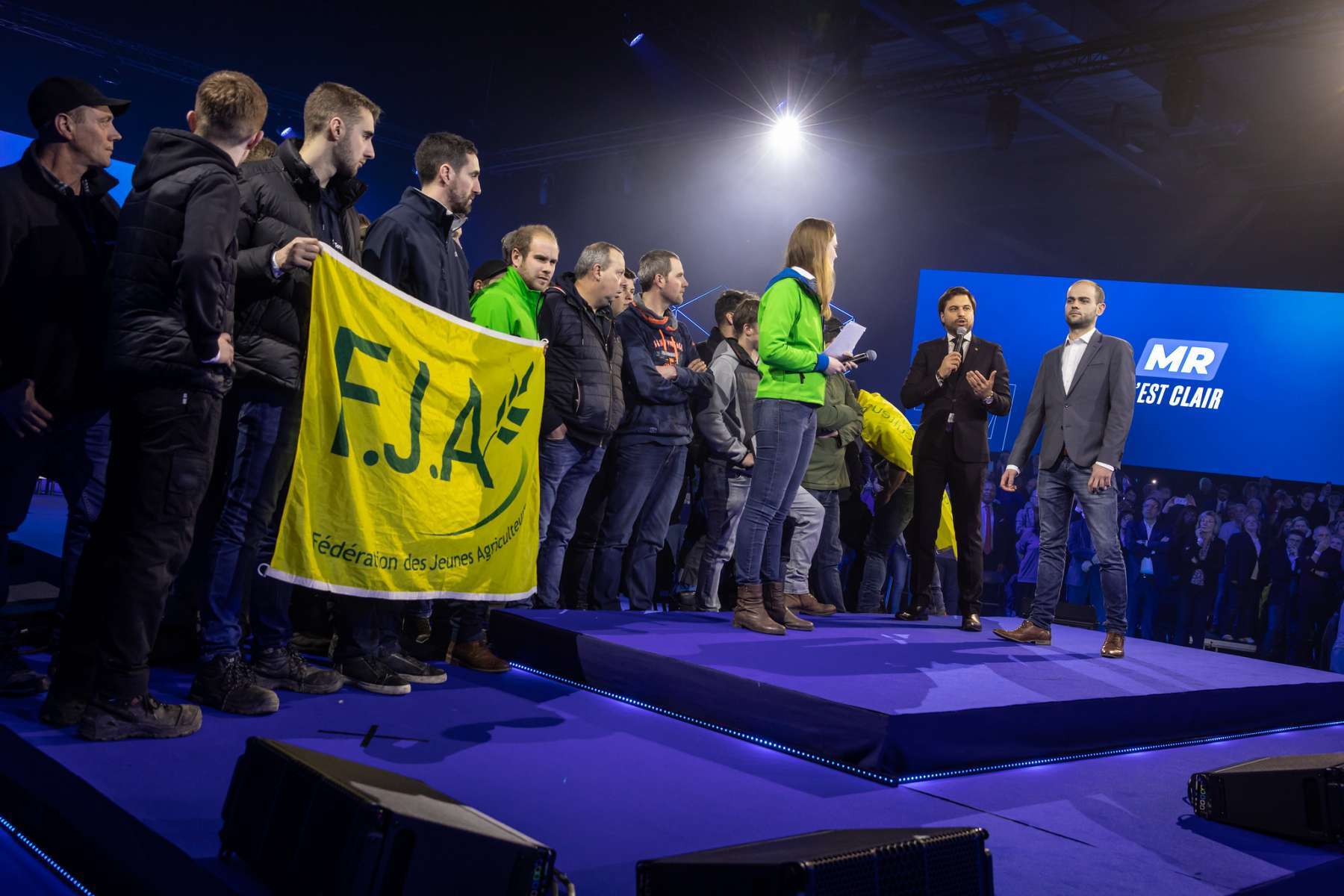
The arrival of young farmers was a highlight of the day. We are the only political party to have received them, fully listened to them and joined their fight. Their work ethic is at the heart of our programme.
Each major theme of the programme was then addressed. The speakers championed specific measures to tackle economic, social, climate and institutional challenges.
At the Congress, we met "Victor", the artificial intelligence developed by three young Walloon entrepreneurs who believe in the future, in the benefits of technology and in the content of our programme. Check out this tool here.
With the MR it's clear, so the future can brighten!
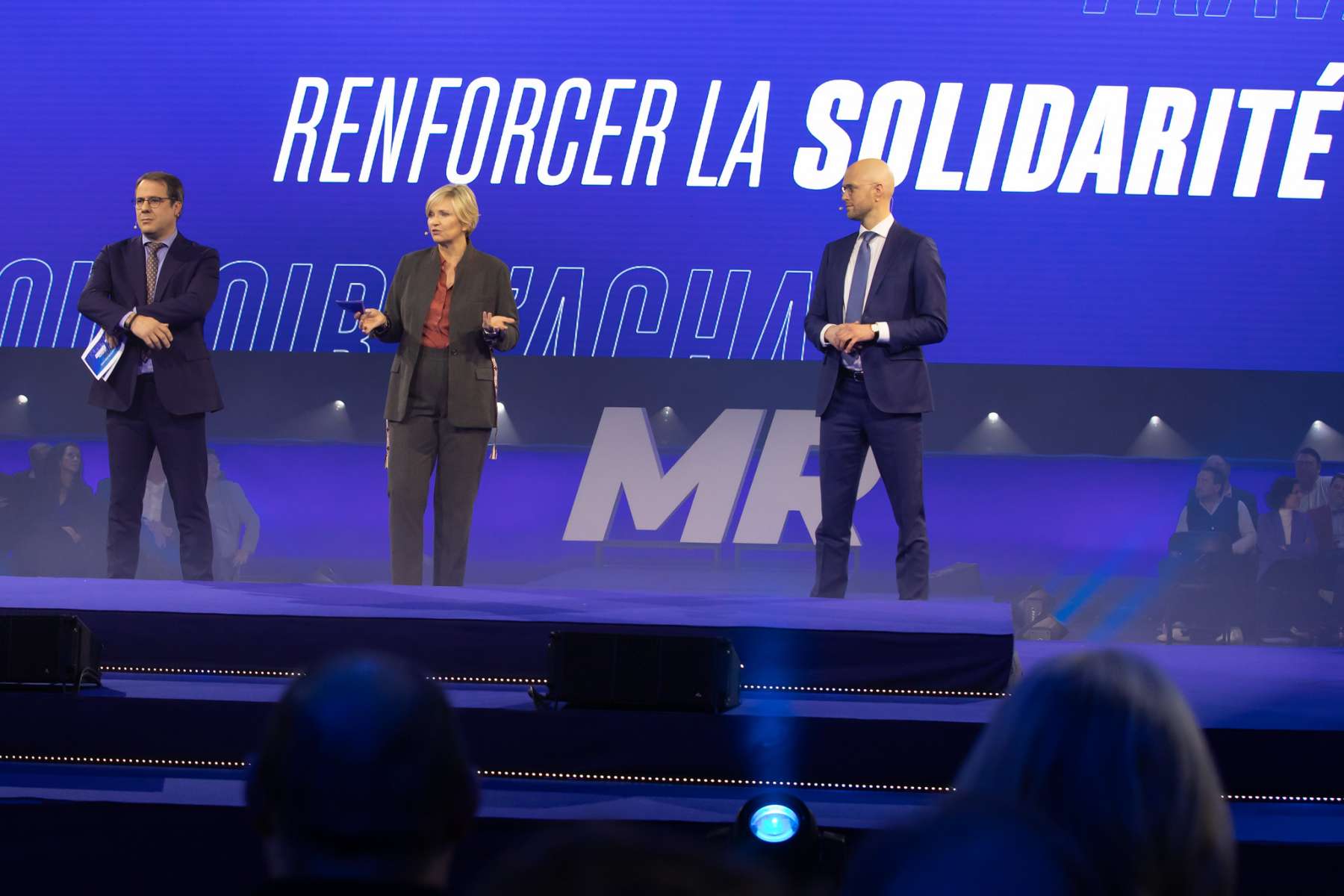
More purchasing power and competitiveness
David LEISTERH argued for a bold tax reform. He stressed the importance of a tax-free allowance and a €500 gap between social benefits and earned income, lower registration fees for buying a home, no tax below the level of the social integration income, a gradual phase-out of property tax, a corporate tax cut for SMEs, and a 13th month's pay for those choosing a shortage occupation.
Florence REUTER followed with proposals to boost purchasing power and strengthen solidarity, with ideas such as employment bonuses and ways to improve work-life balance.
David CLARINVAL highlighted the challenges facing the self-employed and pensions, calling for continuous improvement of self-employed status and significant reforms to the pension system.
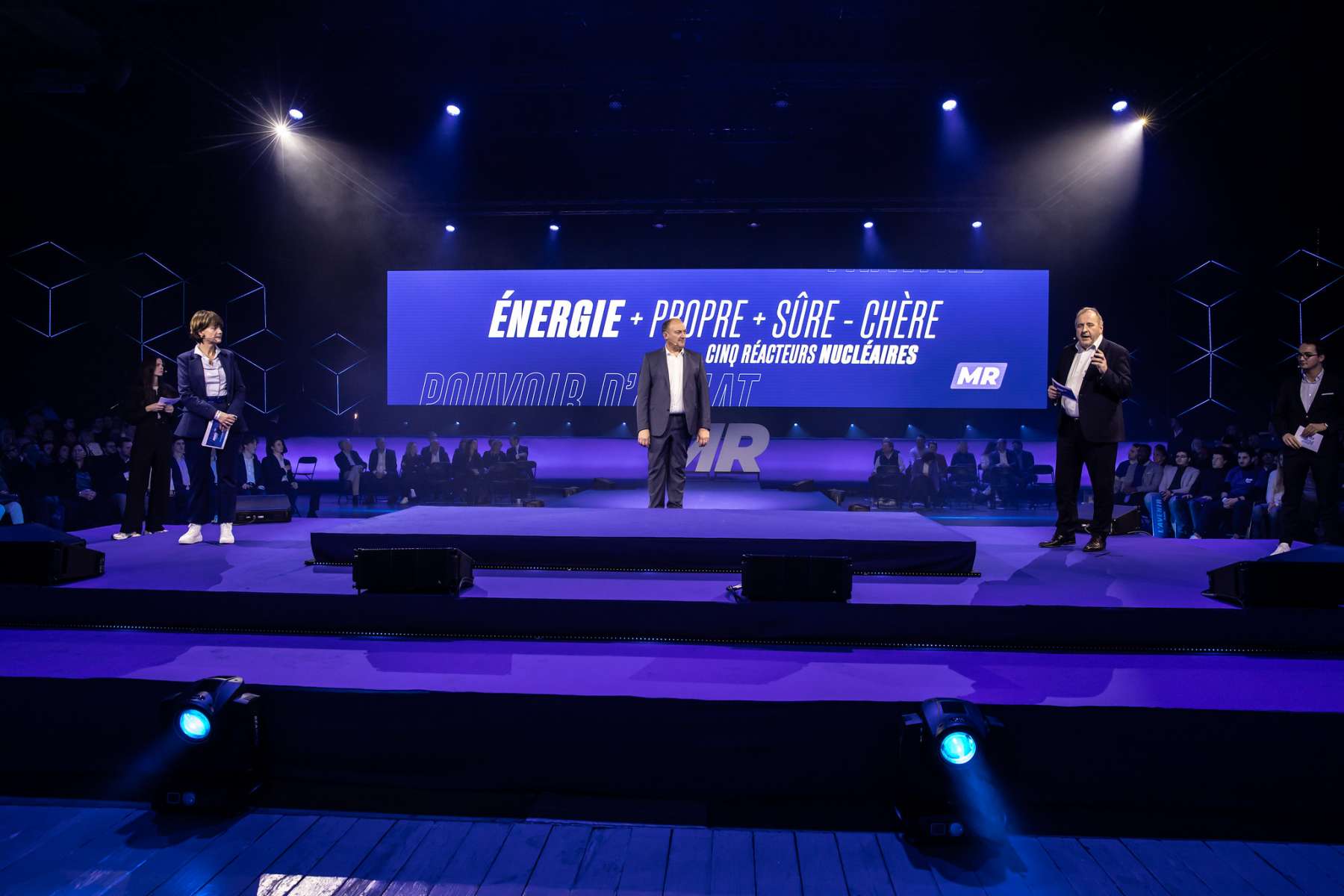
Our economic, climate and energy challenges
Benoit PIEDBOEUF championed a pragmatic energy policy. He argued for a balanced energy mix combining nuclear power and renewables, while highlighting innovative climate solutions.
Willy BORSUS underlined the importance of preserving rural areas and agriculture. Our support for those who work the land includes backing their income, adapting farming standards and the CAP to reflect realities on the ground, harmonising standards for products entering our territory, and refusing to sign trade agreements without mirror clauses.
Valérie DE BUE concluded this session by focusing on the necessary efforts in housing and mobility, proposing solutions ranging from building renovation to an integrated approach to mobility.
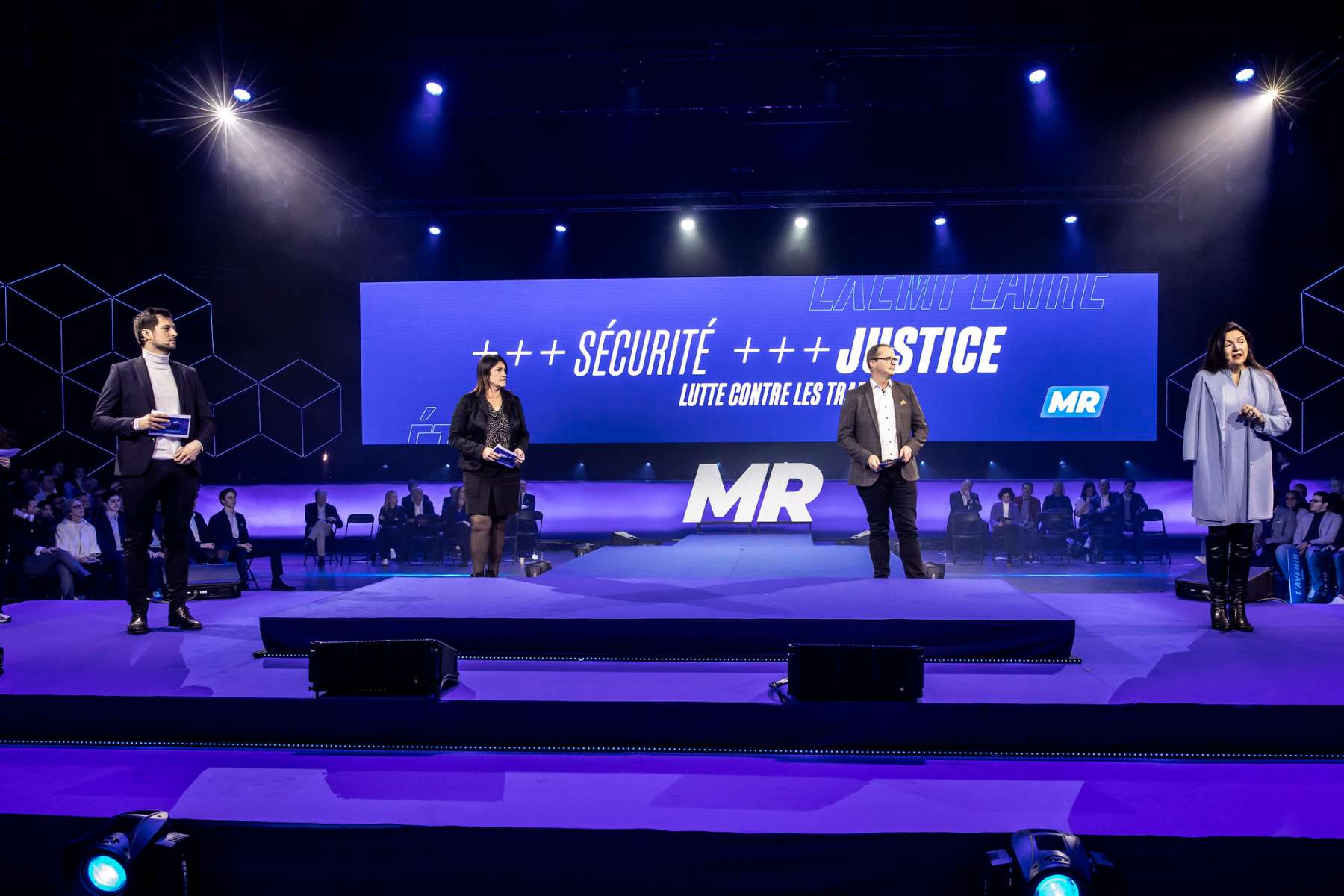
An exemplary and efficient State
Marie-Christine MARGHEM called for a public authority that guarantees security and justice. She detailed proposals ranging from sentence enforcement to the fight against radicalisation, and stressed the need for a faster, more effective justice system.
Maxime DAYE then spoke about healthcare. He highlighted measures to improve accessibility, tackle medical deserts and recognise the demanding nature of nursing jobs.
Jacqueline GALANT continued this section by defending balanced proposals for managing asylum and immigration, stressing the importance of firm yet humane rules.
Adrien DOLIMONT concluded with clear measures to ensure controlled public spending and efficient institutional structures. He insists on making federal and regional entities more accountable. Fewer elected officials and a modernised civil service are also at the heart of his proposals.
Quality education that enables emancipation
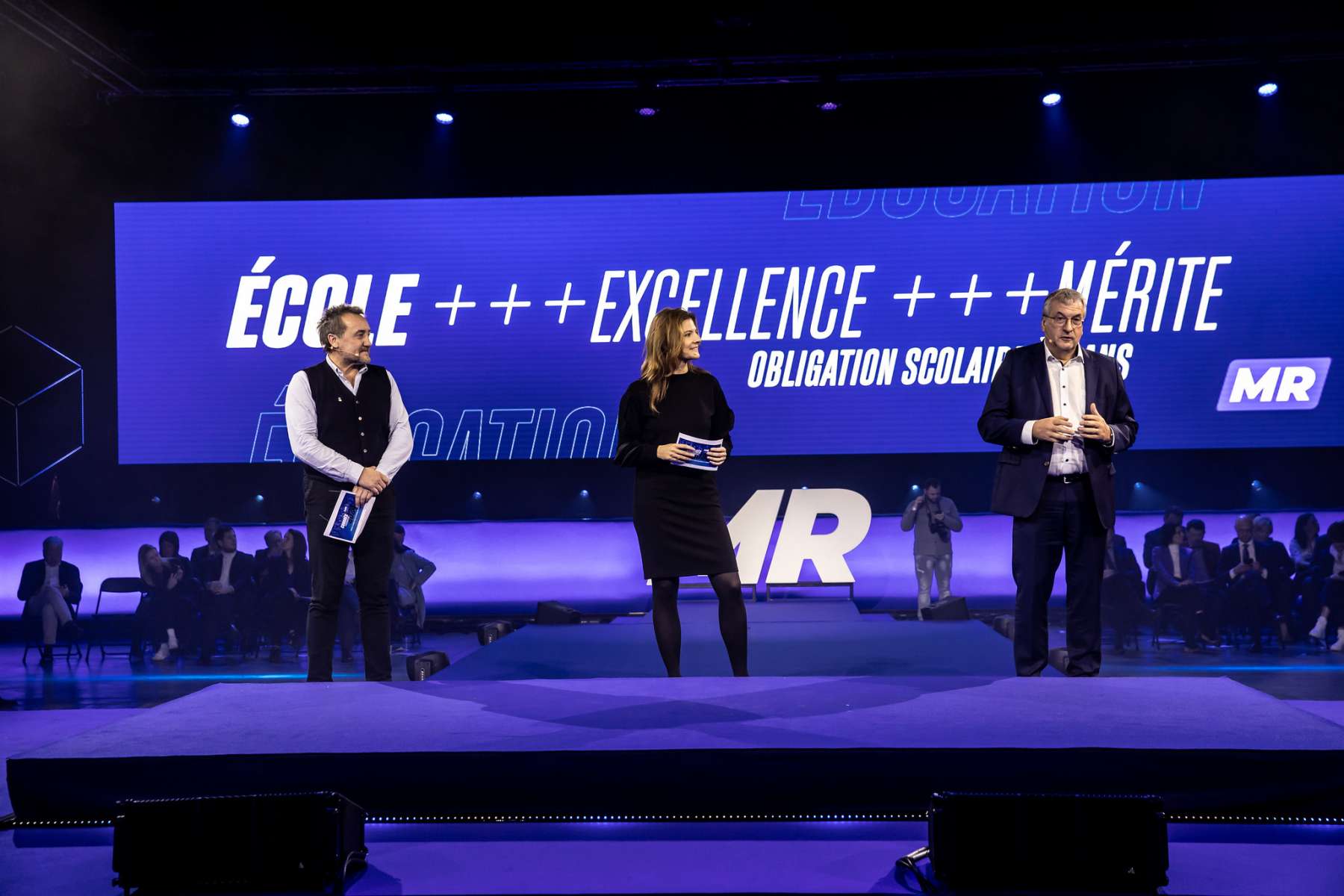
Pierre-Yves JEHOLET opened this chapter with a call for a school where everyone can excel. He highlighted proposals such as compulsory schooling from age 3 and stronger external assessments. Being able to read, write and count is essential. These are basic skills.
Diana NIKOLIC continued with proposals to make schools more autonomous and better respected, giving more freedom to head teachers and teachers.
Vincent MAILLEN concluded this session by focusing on work-based learning and higher education connected to the job market, stressing the importance of student mobility.
Building society together
Caroline CASSART-MAILLEUX advocated for state neutrality as a guarantee of equality and freedom. She defended proposals such as enshrining neutrality in the Constitution and supporting informal carers.
Richard FOURNAUX spoke up to defend a society free of discrimination, presenting measures to promote equality between generations and between the sexes.
Charles GARDIER concluded this section with proposals to ensure access to culture, sport and the media, stressing the importance of inclusion.

Securing Belgium's and Europe's place in the world
Sophie WILMES reaffirmed the need to reinvest in critical sectors such as energy, health, defence and agriculture in order to reduce dependence on the outside world. This is in the interest of citizens. The Europe we want is pragmatic, protects people and stays close to them.
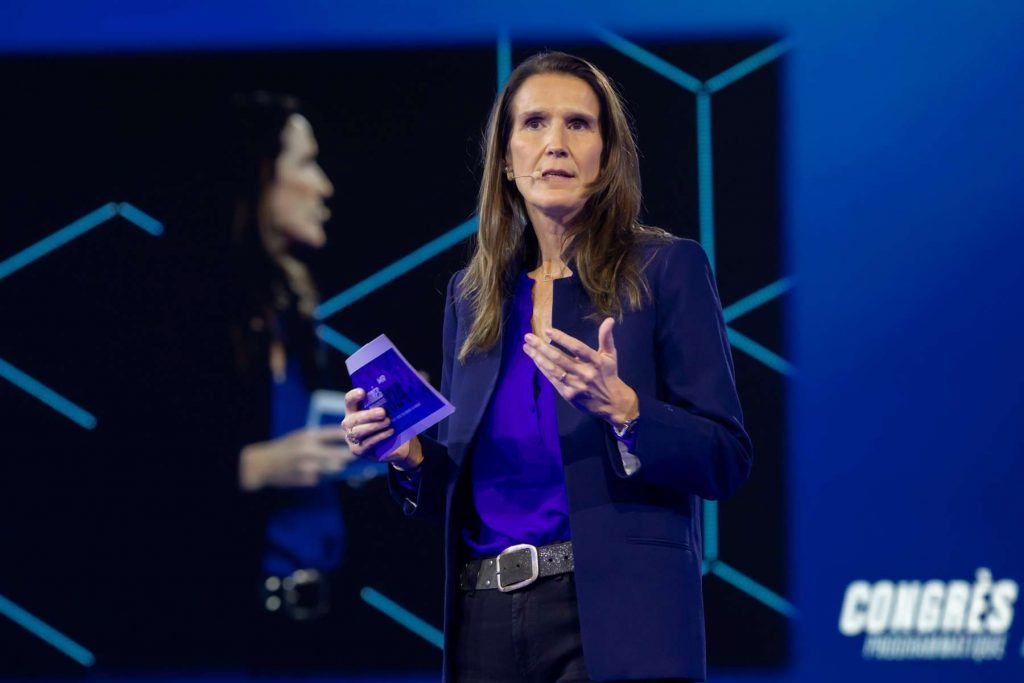
MR President Georges-Louis BOUCHEZ's powerful speech closed the event with optimism and enthusiasm.
He rejected the vision of a PS-ECOLO-PTB coalition of unemployment, the coalition of failure, the worst-case coalition.
A coalition of political parties that for far too long have become the rentiers of precariousness and the shareholders of social hardship.
Our new slogan "The future is brightening" resonates as a symbol of the MR's liberal vision, building and lighting up tomorrow through hard work.
He also stressed the importance of giving all regions of the country a central role, while highlighting major challenges, from climate to security.
His speech concluded with a call for everyone to get involved ahead of the upcoming elections, stressing that the change expected is not only justified but also essential.